
If you’ve ever picked up a box dye, colored your hair one too many times, overwashed it, or panic-bought products trying to “fix” it… then you know exactly how frustrating it feels when your hair just won’t cooperate.
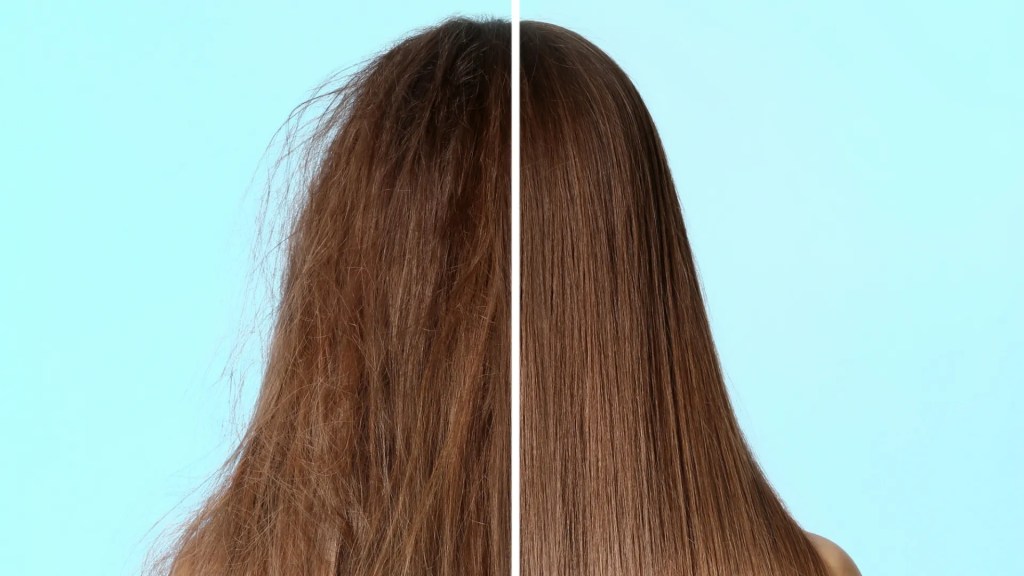
Dry.
Brittle.
Waxy at the roots.
Greasy after one day.
Falling out more than usual.
Or just not laying the way you want it to.
I’ve been there.
For years, I lived in trial and error mode. I bought the expensive salon shampoos and conditioners. I stocked up on bonding treatments, leave-ins, and oils that swore they would “repair” everything. When that didn’t work, I swung the other direction and tried going completely natural, thinking maybe simpler was better.
But nothing was actually helping my hair heal — at least not properly.
It would feel soft one wash and then stiff the next. My roots felt coated and waxy, but my ends were thin and fragile. I kept switching products every week, rotating between hydration, volume, protein, and detox, thinking I just hadn’t found the right combination yet.
What I didn’t realize was that I wasn’t lacking products.
I was lacking balance.
I didn’t understand the difference between protein and moisture. I didn’t know how easy it was to overload your hair with “repair” treatments. And I definitely didn’t realize that constantly switching routines was confusing my hair even more.
I thought if it worked for everyone else, it had to work for me.
It didn’t.
It wasn’t until I simplified everything — and actually learned what my hair needed — that it slowly started coming back to life.
Not overnight. Not magically.
But steadily.
Mistake #1: I Did Not Understand Protein Vs. Moisture
When I first started trying to “fix” my hair, I was immediately drawn to words like “repair,” “strengthening,” and “for severely damaged hair.”
Those labels gave me hope.
If my hair felt damaged, then obviously I needed the most intense repair line I could find… right?
So I would grab them without hesitation.
What I didn’t understand at the time was that many of those products were loaded with protein. And when your hair is already fragile, dry, or overwhelmed, it can actually become much more sensitive to protein.
Instead of feeling stronger, my hair became:
- Stiff
- Brittle
- Hard to brush through
- Dry but somehow not soft
- Snappy at the ends
It wasn’t healing. It was overloaded.
When Is Protein Actually Good?
Protein isn’t bad. It’s necessary.
If you know your hair needs occasional strengthening (like after bleach or heavy coloring), a lightweight protein treatment used sparingly can help reinforce weak strands without overwhelming them.
This is the gentle one I prefer because it doesn’t leave my hair stiff or crunchy:
→ Kerastase Resistance Force Architecte Shampoo
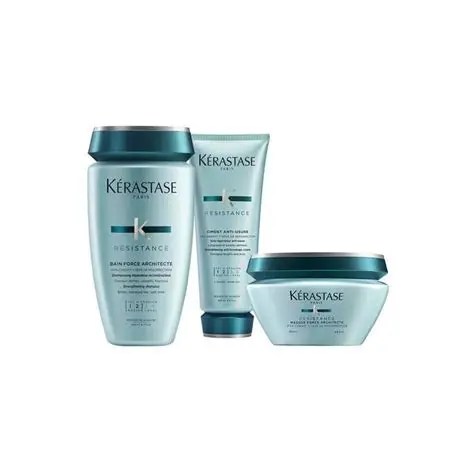
Hair is made of keratin (which is a protein), so small amounts help reinforce weak areas and temporarily fill gaps in damaged strands.
Protein is helpful when:
- Your hair feels overly stretchy when wet and doesn’t bounce back
- It feels mushy or limp
- It won’t hold a curl
- It lacks structure
- You’ve recently chemically processed it (bleach, relaxer, perm)
In those cases, light protein can restore some strength.
When Your Hair Needs Moisture Instead
But if your hair feels:
- Dry and rough
- Straw-like
- Stiff
- Breaking easily
- Dull and hard
It likely doesn’t need more strength.
It needs moisture.
When I realized my hair was actually dry and overloaded, I shifted to a hydrating shampoo and conditioner instead of anything labeled “repair.”
These are the types of moisture-focused products that helped soften my hair without weighing it down:
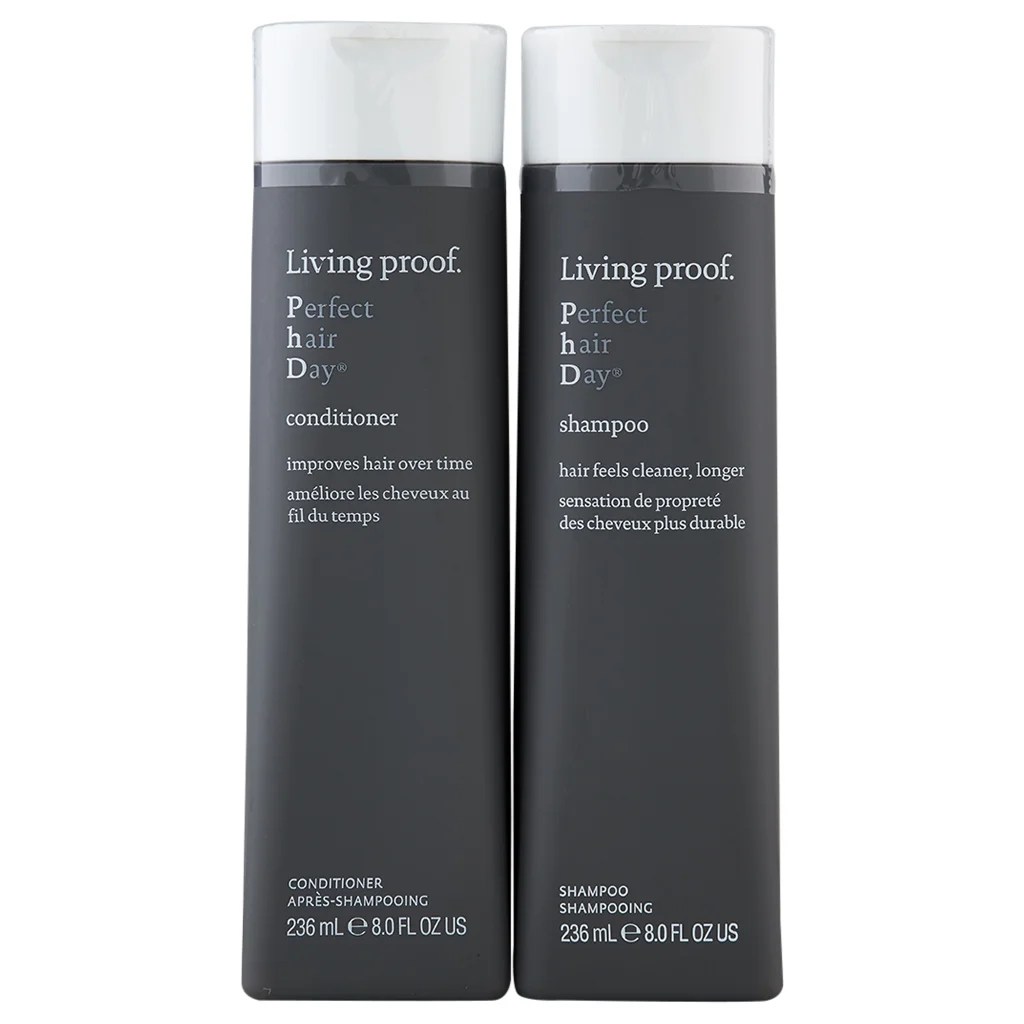
- Hydrating shampoo – Living Proof Day Shampoo
- Matching conditioner – Living Proof Day Conditioner
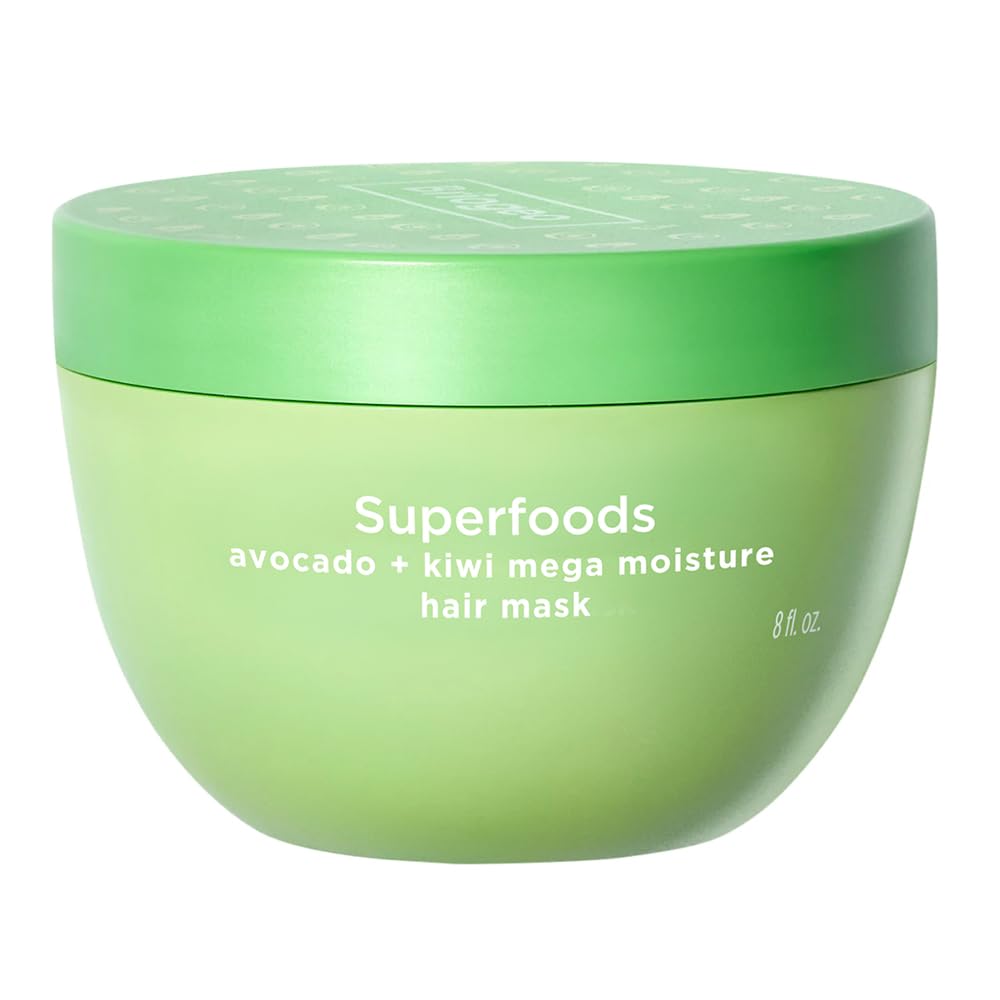
- Lightweight moisture mask – Briogeo Superfoods Avocado and Kiwi Mega Moisture Mask
Moisture makes hair flexible. It softens the strand. It prevents snapping.
And the biggest mistake I made was thinking “damage” automatically meant “add more protein.”
Sometimes damaged hair is actually crying out for hydration and consistency — not more reinforcement.
Once I reduced the heavy repair products and focused on gentle hydration, my hair slowly became softer and more manageable.
Not instantly.
But steadily.
Mistake #2: Constantly Switching Products (With No Baseline Routine)
This was the biggest mistake I made.
Every time my hair felt off — waxy, flat, dry, brittle — I would immediately switch everything. New shampoo. New conditioner. New leave-in. New oil. Sometimes all in the same week.
But here’s what I didn’t understand:
Your hair needs consistency to tell you what’s actually working.
When you constantly rotate products, you can’t tell:
- If something is truly helping
- If something is causing buildup
- If your hair just needs time to rebalance
- Or if you’re overcorrecting
Hair doesn’t respond instantly. Especially damaged, overprocessed, or protein-sensitive hair.
When you switch too often:
- Your scalp can’t regulate oil properly
- You create artificial buildup cycles
- You overload it with protein → then over-moisturize → then strip it → repeat
- You confuse your own diagnosis
It becomes chaos.
Why You Need a Baseline Routine
Once I stopped panic-switching and created a baseline routine, everything changed.
A baseline routine means:
- One primary shampoo
- One primary conditioner
- One leave-in
- Minimal extras
For me, the turning point was adding a detox shampoo into my routine — not as something I rotated constantly, but as a reset tool.
When your hair feels:
- Waxy at the roots
- Coated no matter what you use
- Fine or thin at the ends
- Greasy quickly but still somehow dry
- Heavy even after washing
That’s usually buildup — not a moisture problem and not always a protein problem.
Detox shampoos are misunderstood. They aren’t meant to be used daily, and they aren’t meant to strip your hair raw. When used correctly, they remove product buildup, hard water residue, excess oils, and that suffocating coating that makes your hair feel dull and unresponsive.
This is the detox shampoo I use when my hair starts feeling coated:
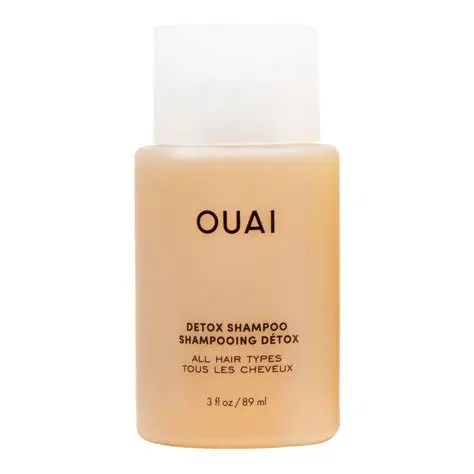
→ Ouai Detox Shampoo – Volume Shampoo
It gives my hair a true reset without making it feel brittle or overly stripped.
After detoxing, I go back to a simple, balanced routine. I pair it with a lightweight, balanced conditioner and keep everything else minimal.
No rotating between hydrate, repair, detox, and protein every week.
No panic-switching products.
Just a stable baseline routine — and using detox intentionally when my hair actually needs it.
Consistency is what finally allowed my hair to calm down.
When To Use Detox, Protein, or Repair
Once your baseline is stable, you can strategically add:
- Detox: every 2–4 weeks (if you use styling products or feel buildup)
- Protein: only when hair feels overly stretchy, mushy when wet, and won’t hold shape
- Deep moisture: when hair feels rough, brittle, and snaps easily
But those are add-ons.
Not your entire routine.
The Biggest Lesson
Healthy hair is less about buying more products — and more about understanding what your hair actually needs.
If your hair:
- Feels waxy → you might be over-conditioning or using too rich formulas
- Feels stiff and dry → you might be overloading protein
- Feels limp and greasy → you might need lighter cleansing
- Feels stretchy when wet → you might need protein
And most importantly:
Stop changing everything at once.
Give your hair a stable environment to recover.
 Veil Theory
Leave a comment