
If your hair feels clean for five minutes and then suddenly heavy, coated, or waxy at the roots- this is probably why.
What ‘Waxy Hair’ Actually Is
Waxy hair isn’t a hair type — it’s a texture problem.
When hair feels waxy at the roots, it usually feels:
- Sticky or coated
- Heavy even after washing
- Difficult to lather
- Greasy but not soft
- Stiff or resistant when you run your fingers through it
It can almost feel like there’s a thin film sitting on your scalp.
That “waxy” sensation is typically caused by buildup — not natural oil alone.
Buildup can come from:
- Heavy conditioners
- Styling products
- Dry shampoo
- Hard water minerals
- Silicone-based formulas
- Overuse of repair or protein products
Instead of absorbing into the hair properly, these substances accumulate and create a coating around the hair shaft and scalp. Over time, that coating makes your roots feel suffocated, dull, and difficult to cleanse.
Waxy hair is not the same thing as oily hair.
Oily hair feels slick and soft.
Waxy hair feels dense, sticky, or almost rubbery.
Understanding that difference is important — because treating waxy hair like it’s just “greasy” can make the problem worse.
Product Buildup: The Most Common Cause of Waxy Roots
Product buildup happens when ingredients don’t fully rinse away and begin layering on the scalp and hair shaft over time.
It doesn’t usually happen overnight — it builds gradually.
Every time you use:
- Conditioner
- Leave-in treatments
- Hair oils
- Dry shampoo
- Styling creams or heat protectants
- Silicone-based “repair” products
a small amount can remain behind — especially near the roots.
Over time, those layers accumulate and create a film on the scalp. That film blocks proper cleansing, reduces volume, and makes the roots feel heavy, sticky, or coated — even immediately after washing.
Why Fine Hair Feels It Faster
If you have fine hair or thin ends, buildup becomes noticeable much faster.
Heavier formulas that might work beautifully on thick, coarse hair can sit on top of finer strands instead of absorbing. The result is that dense, waxy feeling at the scalp — while the ends may still feel dry.
This is why ultra-hydrating or heavy repair lines can sometimes make hair feel worse instead of better.
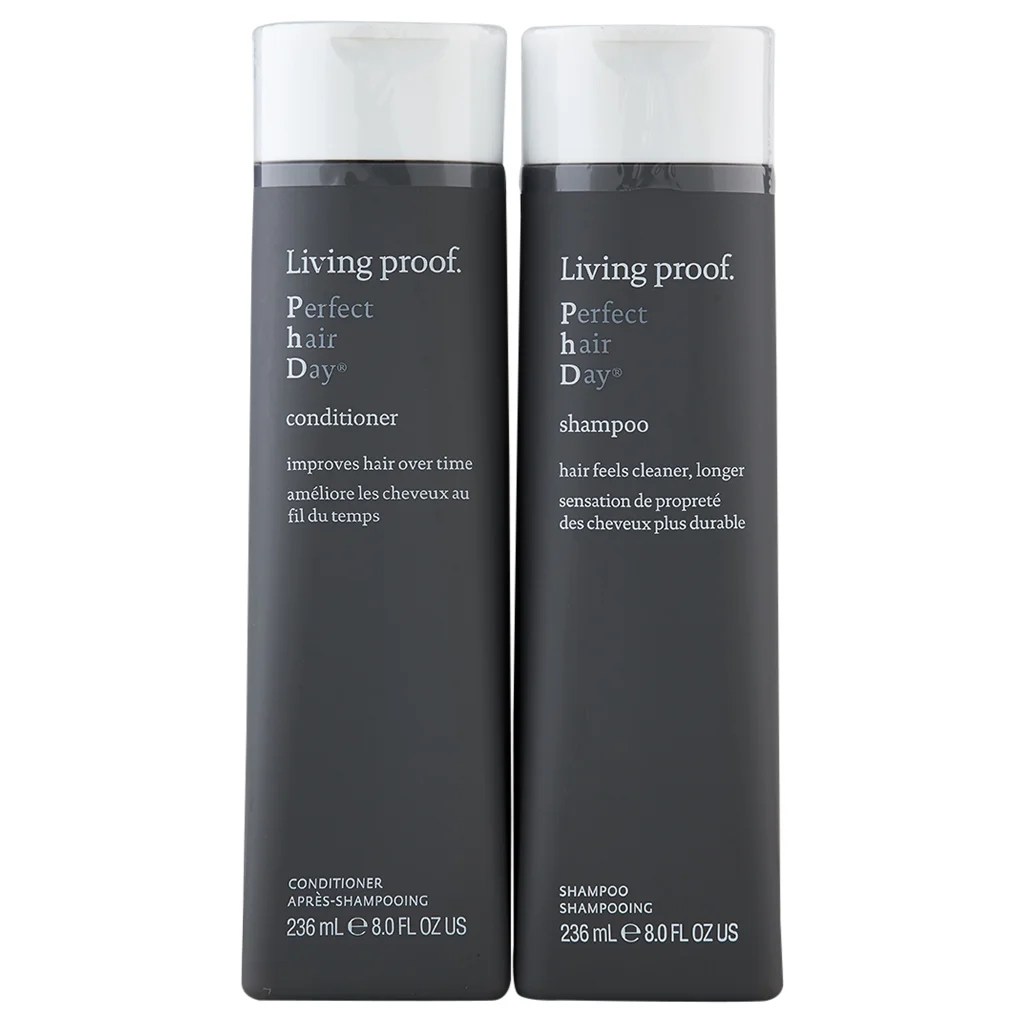
If your hair tends to get coated easily, switching to a lighter, balanced shampoo as your baseline can help prevent buildup from stacking up.
– Living Proof Perfect Hair Day Shampoo and Conditioner –Just Shampoo –Just Conditioner
Ingredients That Commonly Cause Coating
You don’t need to fear these ingredients — but they can accumulate if not properly cleansed:
- Silicones (especially non-water-soluble ones)
- Heavy butters and oils
- Protein-heavy repair complexes
- Thick conditioning agents
When used consistently without occasional clarification, they stack up.
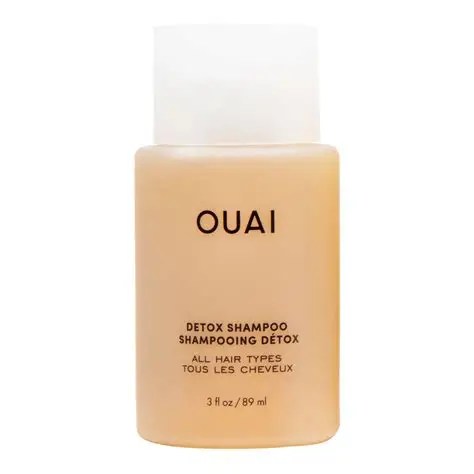
If your hair already feels waxy, this is where a detox or clarifying shampoo becomes important. It helps remove residue instead of layering more on top.
– Ouai Detox Shampoo
Signs It’s Product Buildup
- Shampoo doesn’t lather well
- Hair feels heavy right after drying
- Volume disappears quickly
- Roots feel waxy but not overly oily
- Hair feels amazing right after detoxing — then slowly becomes coated again
If that last one sounds familiar, buildup is likely the issue — not damage.
Hard Water: The Cause Most People Don’t Even Realize
This is one of the most overlooked reasons your hair feels waxy at the roots.
Hard water contains high levels of minerals — mainly calcium and magnesium. When you wash your hair, those minerals don’t just rinse away. They bind to the hair shaft and scalp, leaving behind a residue.
Over time, that mineral buildup creates:
- A coated, waxy feeling at the roots
- Hair that feels stiff or rough
- Dullness and lack of shine
- Shampoo that won’t lather properly
- Conditioner that feels like it “just sits there”
And here’s the thing most people don’t realize:
A lot of places have hard water — and you may not even know it.
Many cities and suburban areas in the U.S. have moderate to very hard water. You can be doing everything “right” with your products and still feel like your hair isn’t clean.
If your hair feels waxy no matter what shampoo you use, hard water could be the hidden reason.
Signs It Might Be Hard Water
- Your hair feels worse after moving to a new place
- Your hair never feels fully clean
- You notice white buildup on shower heads or faucets
- Your scalp feels coated even after detoxing
- Your hair feels dry and greasy at the same time
That last one is very common with mineral buildup.
Hard water doesn’t just coat your hair — it also makes it harder for shampoo to properly cleanse, which creates a cycle of more buildup.
How to Fix Hard Water Buildup
Step 1: Use a Detox or Chelating Shampoo First
Before installing anything, you need to remove what’s already there.
A detox or chelating shampoo is designed to break down mineral deposits and remove buildup from the hair shaft.
This is the one I recommend using first to reset your hair:
– Malibu C Hard Water Wellness Shampoo and Conditioner Duo –Just shampoo –Just conditioner
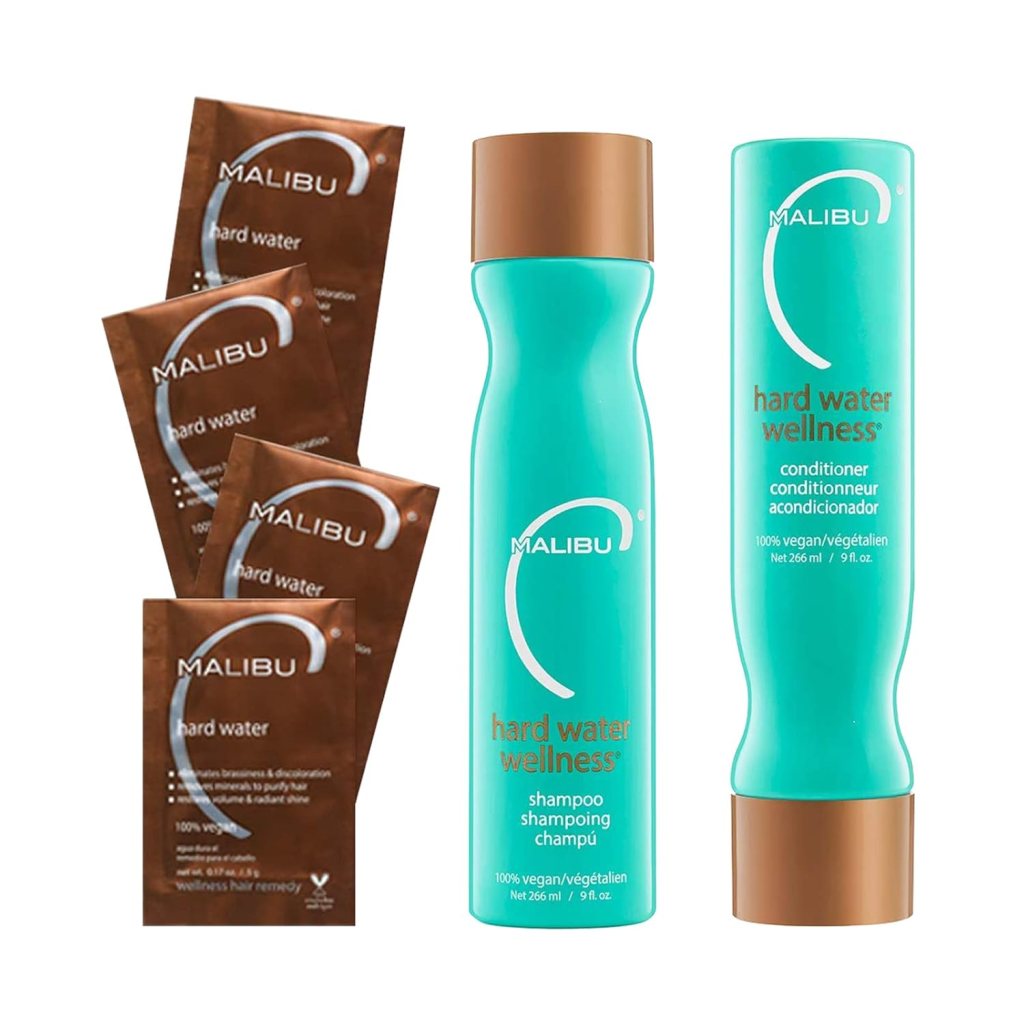
Use it once to reset, then weekly or bi-weekly depending on your water and buildup level.
After you remove the buildup, you can maintain your results more easily.
You can pair it with a lightweight, balanced conditioner so you’re not re-coating the scalp.
The Living Proof Day shampoo and conditioner mentioned before will work fine since its light weight without heavy proteins.
Step 2: Install a Shower Filter
If you live in an area with hard water, the buildup will continue unless you address the source.
A shower filter helps reduce mineral deposits before they even touch your hair.
This is the filter I recommend:
– AquaBliss High Output Revitalizing Shower Filter
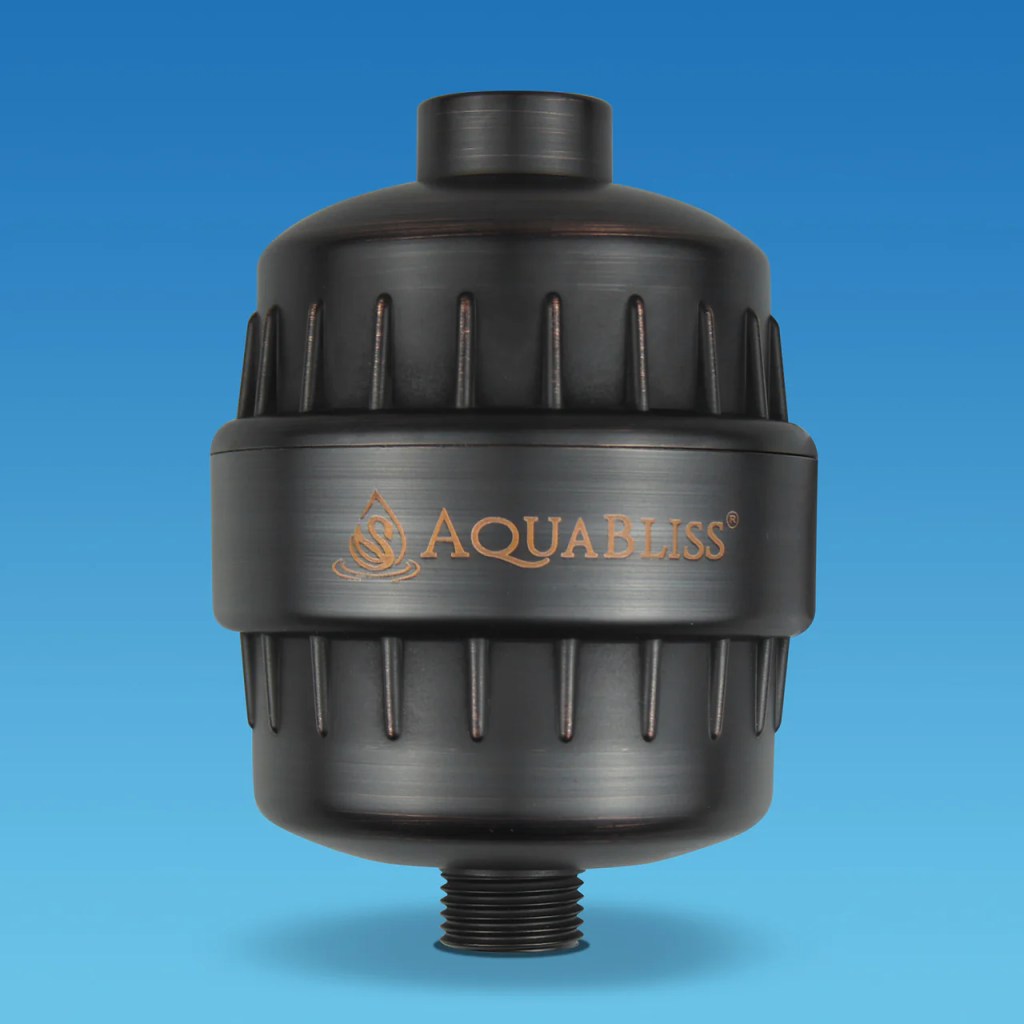
A filter doesn’t completely eliminate hardness in every case, but it significantly reduces mineral exposure and helps prevent that constant waxy feeling from returning.
Not Fully Rinsing: The Simple Mistake That Feels Like Buildup
Sometimes the problem isn’t the product.
It’s how long you’re rinsing.
Thicker shampoos and conditioners cling to the scalp more than you think. If you rinse quickly, especially near the crown and nape of the neck, residue can stay behind — creating that waxy, coated feeling.
This is especially common if:
- You use rich or creamy formulas
- You wash your hair quickly
- You focus more on the ends than the scalp
- You rinse in lukewarm-to-cool water
Cool water feels nice — but it doesn’t break down product as effectively as warm water during the cleansing phase.
Signs You’re Not Rinsing Thoroughly
- Hair feels waxy immediately after drying
- Shampoo doesn’t lather much
- Your scalp feels coated but not itchy
- The crown feels heavier than the ends
- Your roots flatten quickly
How to Fix It
- Wash longer than you think you need to
- Focus shampoo directly at the scalp, not just the top layer
- Massage for at least 60 seconds
- Rinse twice as long as you normally would
- Use warm water to cleanse, then cool water at the end if desired
Sometimes it’s not a product issue. It’s a technique issue.
Moisture vs Protein Confusion
This is where a lot of people accidentally make waxy roots worse.
When hair feels wrong, the instinct is to “fix” it immediately. That often leads to rotating between:
- Ultra-hydrating products
- Repair or strengthening products
- Detox formulas
- Volume lines
But waxy roots aren’t always a moisture problem — and they’re not always a protein problem.
Too Much Moisture
When you overload the hair with heavy moisturizing products, especially at the scalp, it can feel:
- Limp
- Flat
- Coated
- Soft but greasy
Heavy hydrating lines can sit on fine hair instead of absorbing.
If your hair truly needs moisture, choose a balanced formula instead of something ultra-rich.
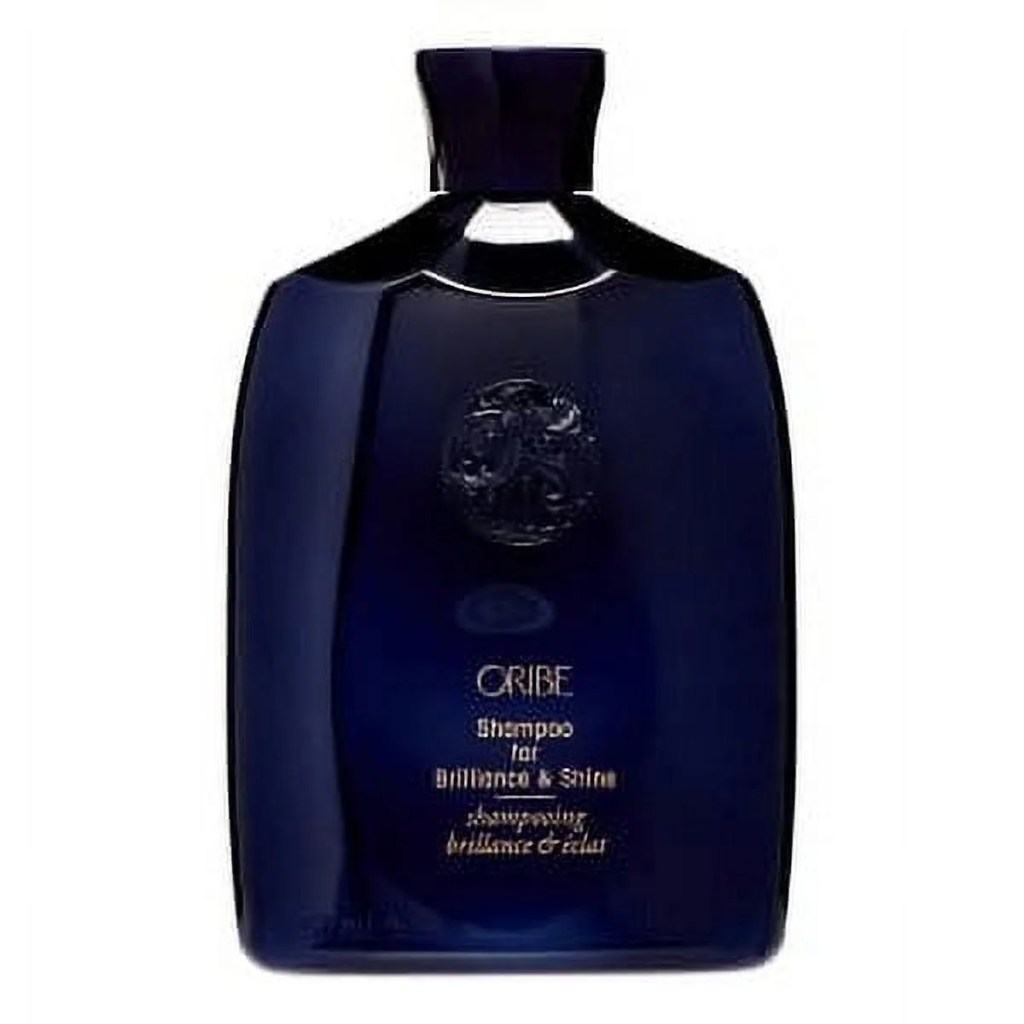
For thicker hair: Oribe Supershine Hydrate Shampoo and Conditioner –shampoo –conditioner
For finer hair: Living Proof Perfect Hair day Shampoo and Conditioner
Too Much Protein
Protein-heavy “repair” lines can also cause stiffness and that strange coated feeling — especially if your hair isn’t damaged enough to need it.
Signs of protein overload can include:
- Hair feeling rigid or straw-like
- Increased tangling
- Lack of flexibility
- A slightly stiff or rough texture
If your hair genuinely needs strengthening, use a controlled protein product — not daily protein overload.
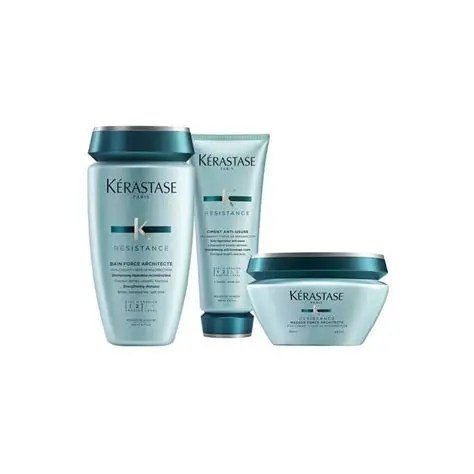
– Kerastase Resistance Force Architecte Shampoo & Ciment Anti-Usure Conditioner –shampoo –conditioner
The key is balance.
Not every bad hair day means you need more moisture.
Not every dull day means you need repair.
Sometimes your hair just needs less.
How to Fix Waxy Roots Without Overcorrecting
If your roots feel waxy, here’s the reset plan:
1. Remove Existing Buildup
Use a detox or chelating shampoo first to strip away product and mineral residue.
2. Simplify Your Routine
Stop rotating between hydrate, repair, detox, and protein every week.
Pick one balanced baseline shampoo and conditioner.
Stay consistent.
3. Keep Conditioner Off the Scalp
Apply mid-length to ends only.
4. Rinse Longer Than You Think
Technique matters more than people realize.
5. Address Hard Water If Needed
If buildup keeps coming back no matter what, install a shower filter.
6. Stop Panic Switching
Hair stabilizes with consistency, not chaos.
I used to rotate constantly trying to “fix” my hair. It never improved until I simplified.
Closing the Blog
If your hair feels waxy at the roots, it isn’t ruined.
It’s overloaded.
Buildup, mineral deposits, over-conditioning, protein confusion, or simply not rinsing long enough can all create that coated, heavy feeling.
The solution isn’t more products.
It’s clarity.
Reset intentionally.
Simplify your routine.
Stay consistent.
That’s when your hair finally starts cooperating.
 Veil Theory
Leave a comment