
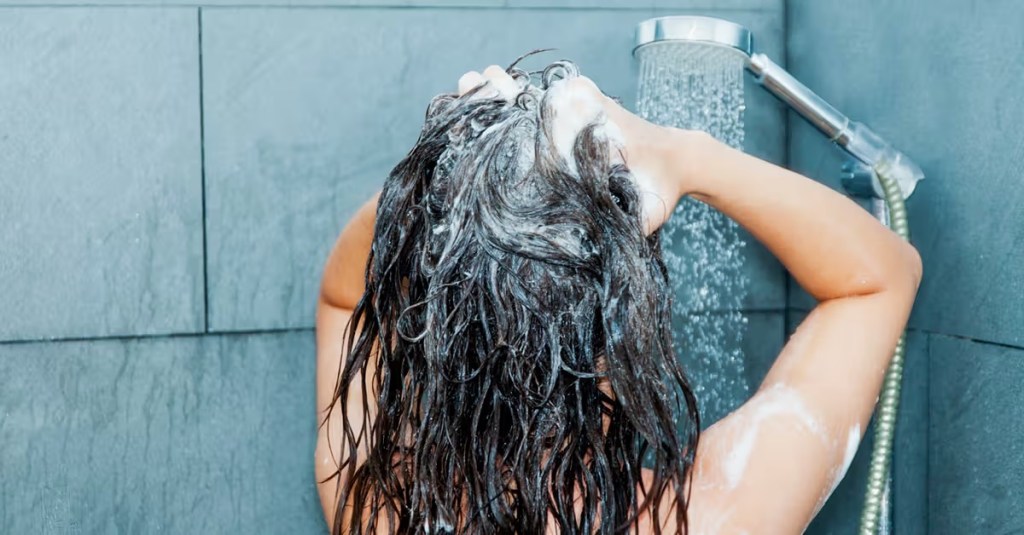
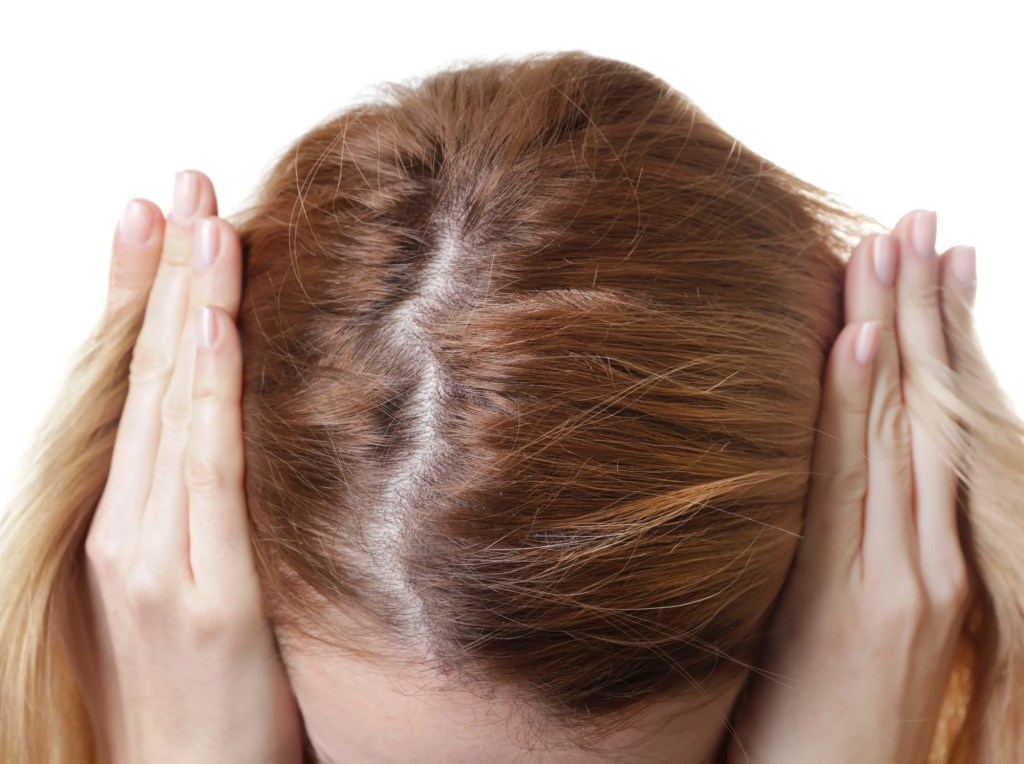
Thin, damaged hair can be really frustrating to deal with because most hair advice online is meant for thicker hair types. A lot of “repair” routines recommend rich masks, heavy oils, and thick conditioners that can actually make fine hair look flat, greasy, or weighed down. After dealing with dryness and damage myself, I started realizing that thin hair usually responds much better to a lighter, simpler routine. These are a few tips that made the biggest difference for me that people rarely talk about.
1. Use a Small Amount of Shampoo and Shampoo Twice
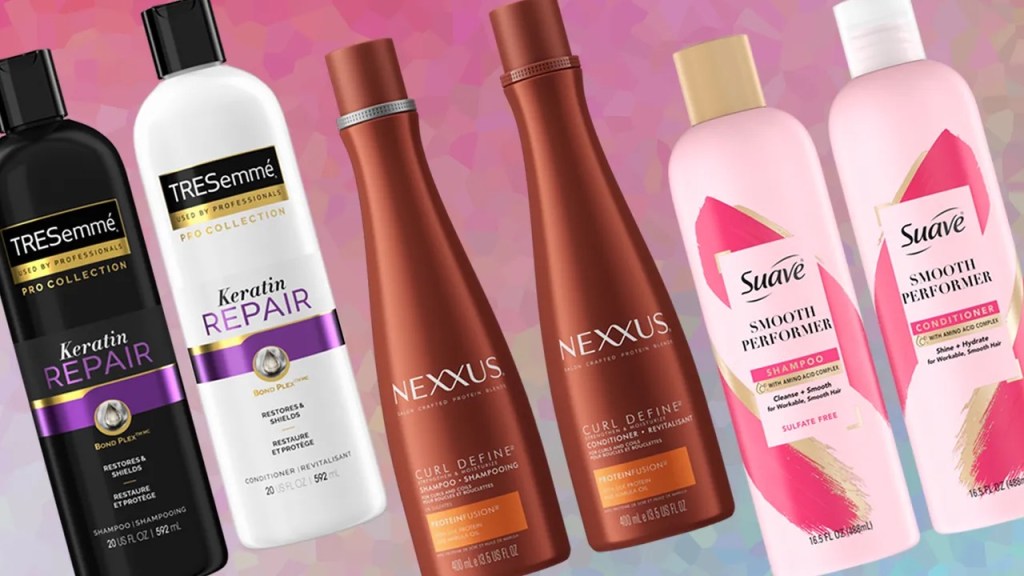
One of the most helpful things I learned was that thin hair needs much less product than people think. Instead of using a large amount of shampoo, start with a pea-sized amount.
It also helps to shampoo twice. The first wash should be more of an overall cleanse that helps break up oil, sweat, and buildup from your scalp. The second wash is what actually cleans your hair and scalp properly. Using smaller amounts prevents your hair from getting weighed down while still allowing your scalp to be fully clean.
I really suggest looking into the ingredients for your shampoo and conditioner. If it has a lot of richer oils, it most likely will weigh your thin hair down. I would also pay attention to how much protein or moisture is in both. Protein can absolutely take a toll on fine hair if you’re not careful and moisture overtime will weigh it down.
2. Only Apply Oils to the Ends of Your Hair
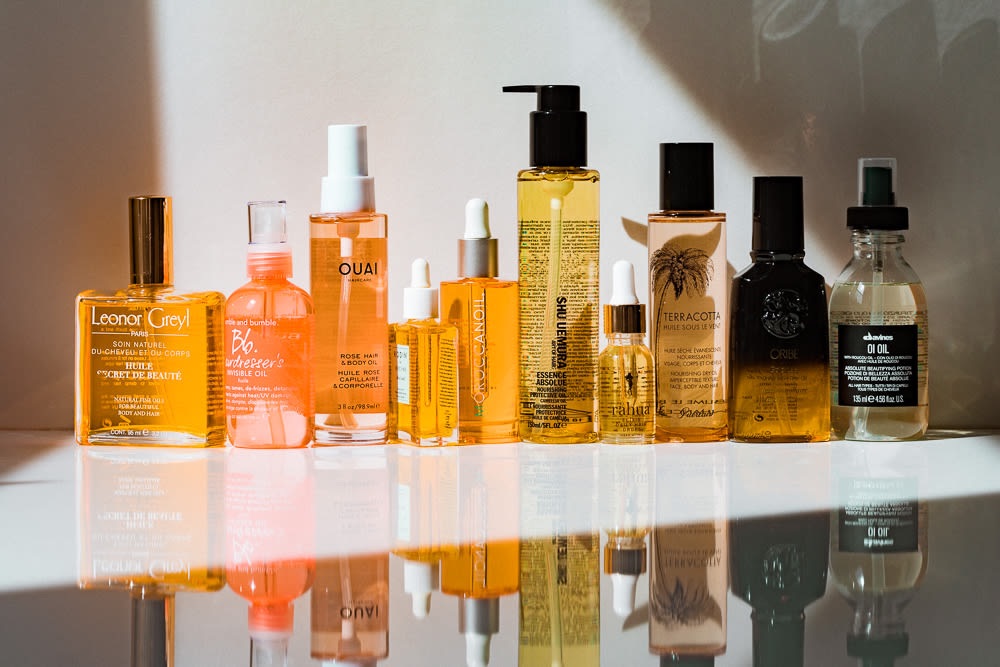
Hair oils can be great for repairing dryness, but they can easily overwhelm thin hair if they’re applied too high up.
If you use oil, apply only a very small amount and focus it on the very ends of your hair. Avoid putting oil anywhere near your mid-lengths or roots. Even conditioner should mainly stay on the lower part of your hair. This helps keep your hair from looking greasy while still protecting the most fragile ends.
The mistake I was making was I would start with using a lot of shampoo, and then I would go in with a good amount of conditioner everywhere as long as it wasn’t touching my roots which was actually making my hair worse. I would get out of the shower and then put my oil in the same places as the conditioner and wonder why my hair always felt coated or waxy, or never laid right until I made my routine lighter and simpler. I use the Verb Ghost Oil because it’s targeted for finer hair that can’t take a lot of product. Another good option I have found is the Ouai Hair Oil. Both make my hair feel light, hydrated, and shiny!!
3. Sleep With Your Hair in a Loose Braid
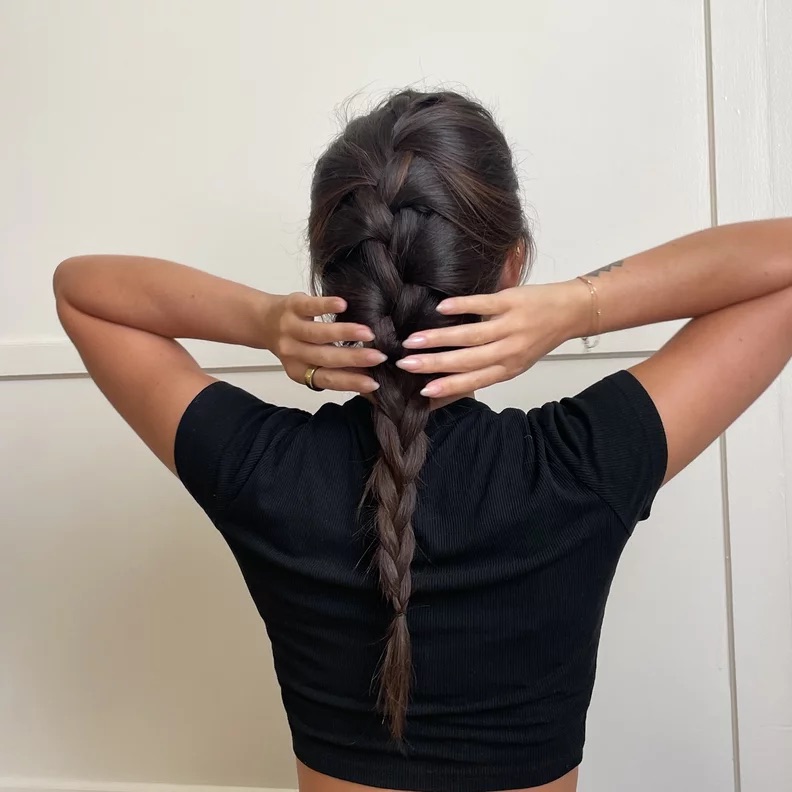
Thin hair is more prone to tangling and breakage, especially while sleeping. One simple habit that can help is putting your hair in a loose braid before bed.
A braid keeps the hair more contained overnight and reduces friction against your pillow. Over time, this can help prevent unnecessary breakage and keep your hair smoother and healthier.
I also would suggest using silk pillow cases and silk sheets. Hair naturally does a lot better with silk compared to cotton material.
It also matters which hair ties you use! A lot of them out there cause breakage from how tight they grasp your hair. Silk Scrunchies are always a good option.
4. Washing Thin Hair More Frequently Can Actually Help
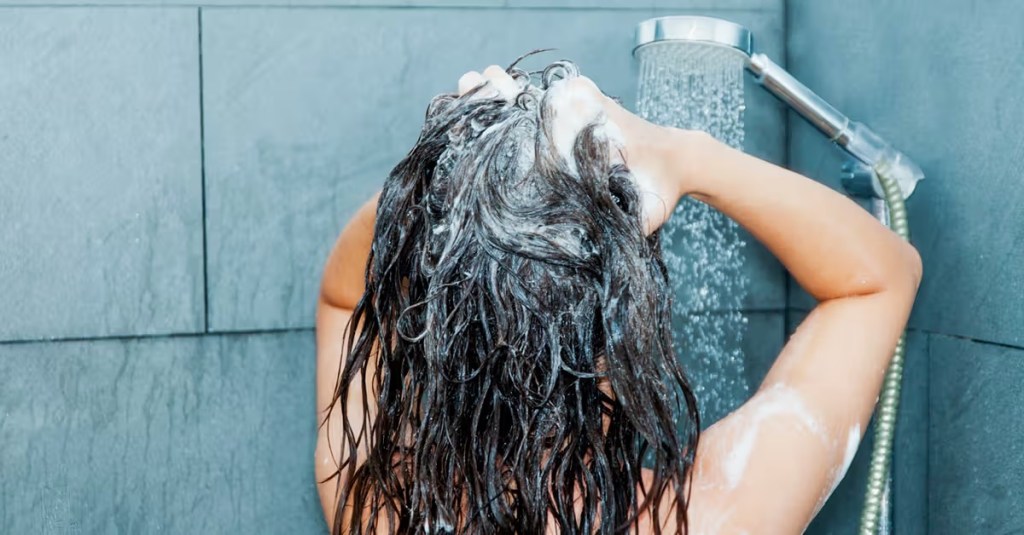
You often hear that you should wash your hair less often, but this advice doesn’t always work for thin hair.
Fine hair tends to get oily faster because the natural oils from the scalp travel down the hair strand more easily. When oil builds up, thin hair can quickly look flat and heavy. Washing your hair more regularly can actually help keep it feeling lighter and looking more voluminous.
My routine consists of washing my hair every other day, and every 2-3 weeks I go in with a gentle clarifying shampoo that gets rid of that buildup. It is very important you don’t continuously switch products so your hair can have a nice set routine.
5. Avoid Rich, Heavy Hair Products
One of the biggest mistakes people with thin hair make is using products that are too rich. Thick masks, heavy creams, and overly moisturizing formulas are usually designed for coarse or very thick hair.
For thin hair, less is usually more. Lightweight products and simple routines tend to work much better and help keep the hair from getting weighed down.
Taking care of thin, damaged hair isn’t about using the most intense treatments or loading your hair with products. In many cases, the best results come from keeping your routine simple, using smaller amounts of product, and focusing on protecting the delicate ends of your hair.
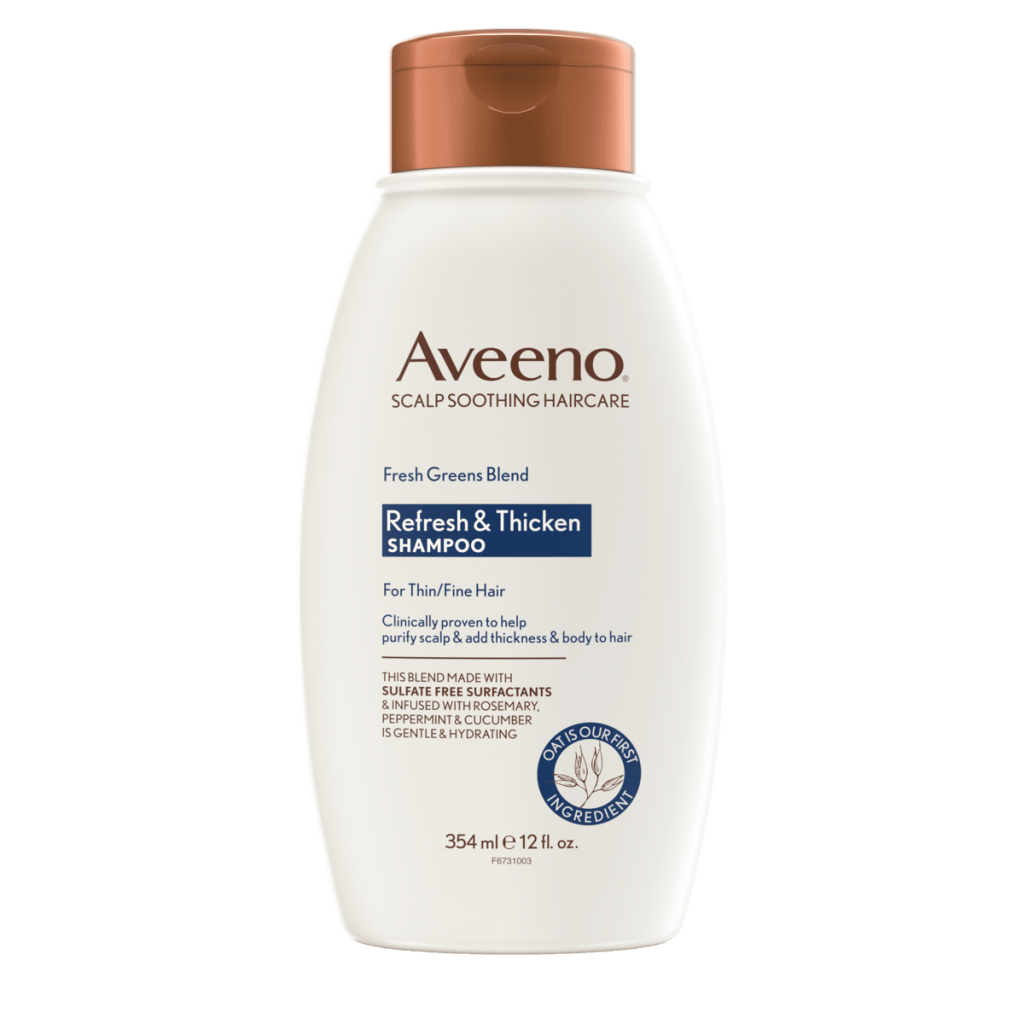
I have a couple good options for those in the search for a perfect routine. I do a lot of research on high end products and drug store alternatives that do the exact same as high end. I recommend the Aveeno Fresh Greens shampoo for the drugstore option, and my current favorite is the Living Proof Perfect Hair Day shampoo and conditioner. It is so lightweight and never weighs my hair down. It does give it that slip and shine, and can feel a bit textured when you first apply it but it does wonders for thin hair!
 Veil Theory
Leave a comment